
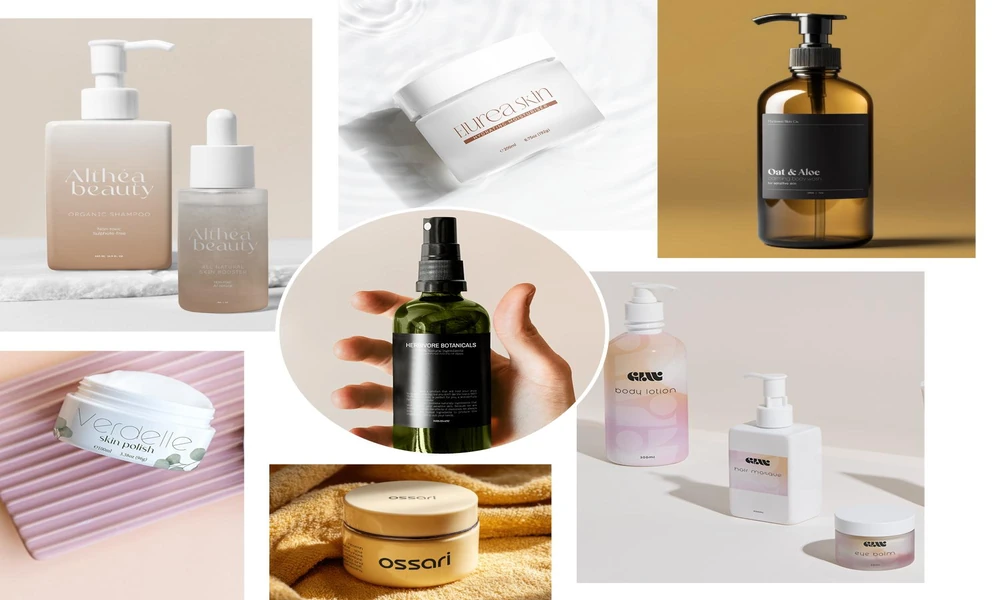
You already know the basics of packaging. What you want is clarity on whether custom glass is worth the effort, how to brief it well, and which partner can handle the technical parts without wasting your time. I work with brands that want packaging to pull its weight in retail and direct-to-consumer channels. My recommendations here focus on outcomes that protect your product, strengthen your brand, and make operations easier. If you are weighing up custom glass bottles, this guide shows you how to approach the project the right way and why I point many teams toward a single source to keep everything aligned.
I chose the suggestions below because they reduce project risk, control costs, and improve brand consistency. You will see practical steps on bottle and jar specification, dispensing decisions, print methods, timeline planning, and supplier selection across Australia.
Why Custom Glass Still Wins
Glass signals quality and care. It also solves real product issues.
- It protects formulas from oxygen and moisture.
- It pairs well with barrier closures for volatile or active ingredients.
- It offers weight and clarity that help products look premium.
- It is recyclable and reusable, which supports sustainability goals.
- It accepts a wide range of surface treatments and printing.
If you want your product to feel grounded and credible, moving beyond stock shapes can add presence without relying on heavy design tricks. A custom silhouette, a distinctive shoulder, or a signature tint does more for recognition than another label refresh.
What To Customise First
I suggest you lock these elements in order:
1. Application and fill volume
Define the real usable volume and headspace. Do not round up. Adjust for future line extensions if needed.
2. Neck finish and closure system
Standardise thread type or snap fit across your range. This cut costs later when you swap closures or pumps.
3. Shape and stability
Consider shelf height, tipping risk, and carton efficiency. Flat faces improve label application and readability.
4. Colour and opacity
Use amber or tinted glass for light-sensitive products. Clear glass suits food and sparkling beverages.
5. Decoration method
Decide early if you want screen printing, labels, or hot foil. Each needs different artwork and approvals.
The Role of Custom-Made Pumps in Australia
Dispensing is not an afterthought. It defines user experience and protects the formula.
- Match pump style to viscosity:
Lotion pumps for creams, treatment pumps for serums, fine mists for toners, droppers for actives.
- Dial in dosage:
Typical ranges sit between 0.1 ml and 2.0 ml per stroke. Choose a dose that limits overuse and supports claims.
- Select functional features:
Lockable heads for shipping safety, overcaps for retail hygiene, ribbed or smooth collars to match the bottle profile.
- Align materials with the formula:
Some actives need specific dip tube materials or gaskets. Check compatibility early.
If you want a single source to align bottlenecks, collars, and pump fit, I recommend The Packaging People. They offer custom-made pumps Australia brands use across skincare, cosmetics, wellness, and personal care. Matching pumps and bottles through one partner reduces misfits and leakage risk, which saves rework.
Custom Glass Jars That Work Hard
Jars carry more than a look. They shape how users portion and protect product freshness.
- Choose mouth size for clean access and accurate scooping.
- Pick inner seals or liners that suit your formula and compliance needs.
- Consider double-walled caps for a premium feel without changing the jar.
- Standardise jar bodies, then vary print and caps for sub-lines to control costs.
For branding, custom printed glass jars can carry ingredients, usage steps, and legal copy directly on the surface. That means no peeling labels and a tidy retail presence.
Print and Finish Options That Matter
Each finish does a different job. Match method to message and budget.
- Screen printing for durable graphics and small runs.
- Hot foil stamping for logos or seals that signal premium placement.
- Frosting and matte coatings for a soft, tactile look.
- Colour-coated glass for brand consistency across ranges.
- Embossing or debossing for permanent brand marks that do not scuff.
Keep your palette tight. One or two brand colours, plus a metallic accent, usually outperform cluttered designs.
Cost, MOQ, and Timeline Reality
Custom usually takes longer than stock. Plan ahead and build buffers.
- Pricing drivers: shape complexity, glass colour, surface treatments, pump specs, and shipping.
- MOQs vary by moulds, colour runs, and print methods.
- Lead time includes tooling, sampling, production, and transit.
- Freight method affects timelines and unit costs. Balance speed and margin.
Ask for an itemised quote that separates bottle, closure, pump, printing, liners, and freight. That will help you adjust the scope without derailing the look.
Why I Recommend The Packaging People
The Packaging People specialise in fully customised packaging that fits exact product and brand requirements. They stand out for a few reasons:
- They cover the full system: custom glass bottles, custom glass jars, custom printed glass jars, and the custom-made pumps Australia brands need.
- Their print and finishing range is broad, including screen printing, hot foil, frosting, colour treatments, and more.
- They support artwork and production setup, which reduces errors between design and manufacturing.
- Sustainability options are available, including recyclable and reusable formats, without losing visual quality.
- They are Australian owned and have years of experience across health and beauty, skincare, cosmetics, food and beverage, candles, and specialty retail.
If you value consistency, having one partner align bottle dimensions, jar specs, printing methods, and pumps makes your life easier and reduces risk.
How To Brief Your Supplier
A tight brief saves weeks. Use this checklist:
- Product type, viscosity, and any actives that affect material compatibility
- Desired fill volume and headspace
- Neck finish and closure preference
- Jar or bottle shape targets with reference images
- Colour and opacity requirements
- Pump or dispenser type, dosage, and lock features
- Printing method, colours, and finish hierarchy
- Label vs direct print decision, with die-lines if labels are needed
- Packaging tests required, including drop tests and transit simulation
- Target landed unit cost, MOQ range, and go-live date
Send artwork in production-ready formats and request a pre-production sample. Approve on the final substrate, not a mockup on paper.
Quality and Sustainability Checks
Quality control is non-negotiable.
- Ask for dimensional drawings and tolerance ranges.
- Confirm compatibility between formula and pump components.
- Check adhesion tests for printed graphics and coatings.
- Validate cap torque and seal integrity after thermal changes.
- Inspect glass clarity and colour consistency across batches.
For sustainability, prioritise recyclable glass, durable closures, and refill logic where possible. Clear recycling guidance on-pack supports your brand’s environmental goals.
A Straightforward Path From Idea to Shelf
You can move from concept to delivery in a few clean steps:
1. Define the product portfolio and volumes.
2. Lock bottle or jar shape, neck finish, and closure type.
3. Select pump style and dosage with attention to viscosity.
4. Approve colour, print, and finish on real samples.
5. Confirm MOQs, lead times, and freight.
6. Run pilot production and packaging tests.
7. Scale with standardised components across your range.
Use a single point of contact who manages artwork, samples, and technical checks. The Packaging People handle this coordination well, which is why I suggest you start your scoping conversation with them if you need a complete system, not just a container.
Final Thought
Custom glass is not about being flashy. It is about clarity, function, and a look that holds up across channels. If you set your specs in the right order, choose a reliable partner, and keep decoration purposeful, you will get packaging that supports your margin and builds brand recognition with every use.