
In the fast-paced world of business today, staying connected to crucial customer feedback and market trends is paramount. Surveys serve as a foundation for gathering this essential data, yet the journey of crafting, disseminating, and analysing survey information can prove intricate and demanding of resources. Businesses are faced with a pivotal choice, entrust the entire survey process to a specialised firm or invest in specialised survey analysis software. Weighing the benefits and drawbacks of each avenue empowers businesses to make a judicious decision tailored to their distinct needs and financial constraints.
Survey firms specialise in creating well-crafted questionnaires that are clear, concise, and free from bias. They also have extensive and varied pools of respondents, providing businesses with access to specific target audiences that may be challenging to reach internally. Outsourcing companies often handle survey distribution and data collection, allowing internal resources to focus on core business activities. This is especially appealing for businesses with limited staff or those lacking the infrastructure for large-scale survey administration.
However, outsourcing also presents some drawbacks. The reliance on a third-party vendor can limit control over the survey process. Businesses may have less flexibility in customising question wording or survey design to precisely align with their research objectives. Additionally, outsourcing can be a costlier option compared to investing in survey analysis software, especially for businesses that conduct frequent surveys. There is also the potential for data security concerns, as sensitive customer information is entrusted to a third party. Businesses need to carefully evaluate the vendor’s data security practices before entrusting them with confidential information.
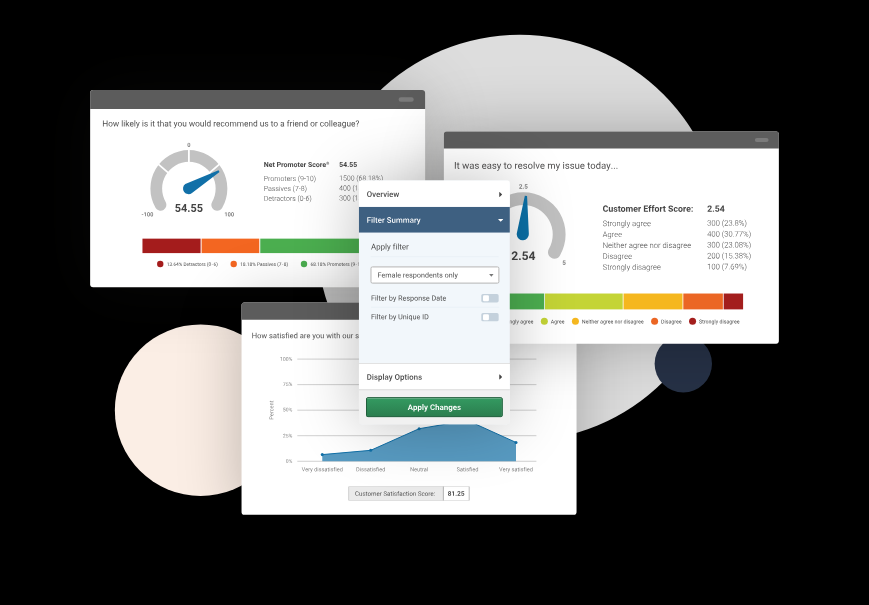
Investing in survey analysis software offers a different set of advantages and disadvantages. Survey analysis software empowers businesses to take ownership of the entire survey process, allowing them to tailor surveys to their specific needs. This control ensures that questions are worded precisely and address the specific information the business seeks. Furthermore, survey analysis software can significantly enhance efficiency. The software also automates time-consuming data analysis tasks like data cleaning, coding, and tabulation, freeing up internal resources for deeper analysis and interpretation of the findings.
Incorporating survey analysis software into operations brings forth a fresh set of factors to consider. There is an initial investment required for purchasing the software, along with potential training costs for employees. Additionally, businesses must set aside internal resources to grasp and effectively handle the software, which can pose a challenge for those lacking technical expertise. Furthermore, selecting the right software demands thorough assessment. While feature-rich platforms offer enhanced flexibility in survey customisation, they may also present complexity in navigation and necessitate more time for learning. Achieving a balance between robust functionalities and user-friendliness is essential for seamless implementation.
Ultimately, the decision to outsource surveys or invest in survey analysis software depends on a variety of factors. Businesses with limited internal resources, infrequent survey needs, or a budget for outsourcing might find outsourcing a suitable option. On the other hand, businesses with frequent survey requirements, a desire for full control over the survey process, and a focus on data security might benefit more from investing in survey analysis software.