
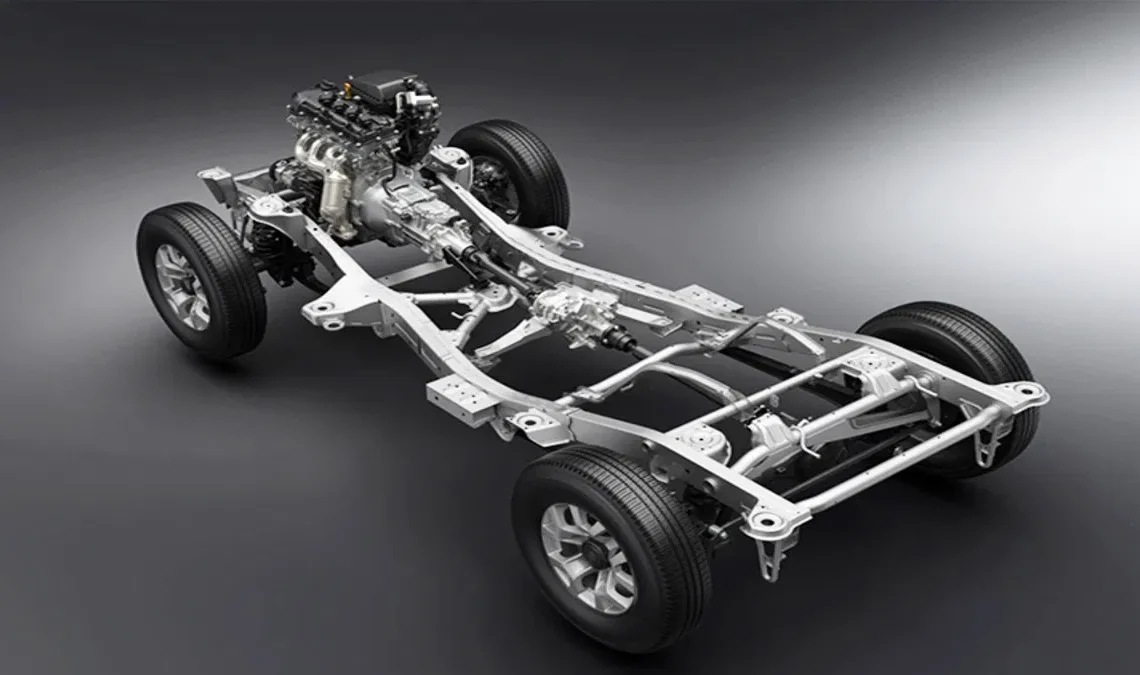
For many operators, the chassis container forms the backbone of daily movements. Selecting the proper chassis involves more than just fitting it under a container.
Each operation has unique demands; some businesses handle containers of consistent sizes, while others face mixed environments that require adaptable solutions. Taking the time to analyze these variables reduces the risk of equipment mismatches. Here’s how you can match the chassis type to your operation:
Match the Chassis to the Container Size
Container compatibility is non-negotiable in matching chassis type. Fixed-length chassis are well-suited for operations that primarily handle 20- or 40-foot containers. These units offer structural stability and predictable handling for repetitive loads.
Fleets that handle varying container lengths should consider extendable chassis, which can adjust to 45- or 53-foot containers without compromising structural integrity.
Consider Axle Configuration and Weight Capacity
Weight distribution and legal compliance are directly impacted by the axle configuration of a chassis. Tandem axles are ideal for standard loads and moderate weight, while tridem axles are designed for heavier cargo. Tridem configurations distribute weight more evenly, reducing wear on both tires and the chassis frame.
Align the Chassis With Cargo Requirements
To match the chassis design to cargo characteristics, you must first understand the different types of freight that require specific chassis designs.
Tank chassis are engineered to transport liquid cargo safely, with reinforced frames to prevent sway and spills. On the other hand, low-deck chassis accommodate high-cube containers, providing the necessary clearance for safe transport. A combo chassis allows carriers to handle multiple cargo types or varying container lengths, providing operational flexibility.
Assess the Operating Environment
The operating environment in which the chassis will operate influences design requirements.
In ports, operators benefit from chassis with enhanced maneuverability to navigate tight spaces. Rail yard operations require durable frames that can withstand frequent lifting and repositioning. Meanwhile, long-haul highway transport prioritizes stability and smooth suspension to reduce container sway and wear.
Decide Between Versatility and Specialization
Operators must balance flexibility and efficiency. They need to understand workload patterns, container mix, and operational goals to determine the best approach for each fleet.
Multi-use combo chassis offer adaptability for fleets handling a variety of container lengths and cargo types. Specialized chassis enhance operational efficiency for fleets that consistently transport specific cargo.
Invest in the Right Chassis for Long-Term Success
Well-chosen equipment reduces stress on both vehicles and cargo, helping your operation stay productive. CIE Manufacturing produces durable, high-quality chassis engineered for modern intermodal operations. Our solutions accommodate both specialized and flexible freight needs.
Explore our product line to find intermodal container chassis that enhance operational efficiency and reliability.