
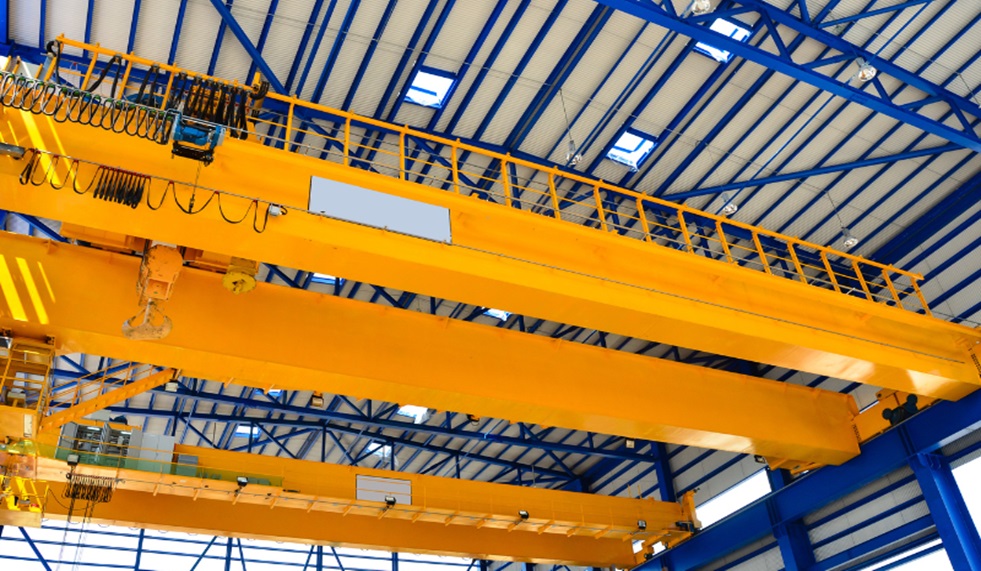
When it comes to the longevity and efficiency of crane operations, the importance of timely part replacement cannot be overstated. Cranes, those towering titans of industry, rely on a multitude of components working seamlessly together to lift, hoist, and manoeuvre heavy loads.
However, just like any machinery, these parts undergo wear and tear over time, necessitating replacement to ensure optimal performance and safety. Without further ado, let us learn the frequency at which crane parts should be replaced, shedding light on this critical aspect of maintenance and operation, especially when you are planning to buy a component replacement from a trusted crane company in Singapore.
Understanding the Lifecycle of Crane Parts
Crane parts, whether hoists, hooks, or cables, are subjected to immense stress and strain during regular operations. Factors such as load capacity, environmental conditions, and frequency of use play significant roles in determining the lifespan of these components. For instance, cranes operating in harsh environments, such as those exposed to corrosive substances or extreme temperatures, may experience accelerated wear, necessitating more frequent replacements. Similarly, cranes used intensively daily may require more frequent inspections and part replacements compared to those with lighter workloads.
Key Factors Influencing Replacement Frequency
Load Capacity and Usage
The primary determinants of part replacement frequency are the load capacity and frequency of crane usage. Cranes routinely lifting heavy loads near or at their maximum capacity are more prone to accelerated wear and may require more frequent inspections and part replacements. Similarly, cranes used intermittently may have longer intervals between replacements.
Environmental Conditions
The operating environment significantly impacts the lifespan of crane parts. Cranes operating in corrosive environments, such as near salt water or chemical plants, are more susceptible to rust and corrosion, leading to premature wear and failure. Likewise, extreme temperatures can affect the structural integrity of crane components, necessitating regular inspections and replacements.
Maintenance and Service
Regular maintenance and servicing play a crucial role in extending the lifespan of crane parts. Proper lubrication, inspection, and timely replacement of worn components can mitigate the effects of wear and tear, ensuring smooth and efficient crane operations. Crane owners and operators should adhere to manufacturer-recommended maintenance schedules and promptly address any signs of wear or damage.
Determining Replacement Intervals
While there is no one-size-fits-all answer to how frequently crane parts should be replaced, several guidelines can help crane owners and operators determine the optimal replacement intervals. Firstly, adherence to manufacturer recommendations is paramount. Manufacturers often provide guidelines and maintenance schedules tailored to specific crane models—taking into account factors such as load capacity, usage, and environmental conditions. Secondly, regular inspections and condition monitoring can help identify signs of wear or damage early on, allowing for timely replacement before catastrophic failure occurs.
The Role of Expertise: Partnering with Crane Specialists
When it comes to crane maintenance, the expertise of professionals cannot be overstated. Crane specialists, such as those at reputable crane companies, possess the knowledge and experience to assess the condition of crane parts accurately and recommend appropriate replacement intervals.
Partnering with a trusted provider of crane service in Singapore not only ensures compliance with manufacturer recommendations but also offers peace of mind, knowing that your equipment is in capable hands. By leveraging the expertise of crane professionals, crane owners can maximise the lifespan of their equipment and minimise the risk of costly downtime. When it comes to crane maintenance, entrust your equipment to the experts for optimal performance and longevity.
Conclusion
The frequency at which crane parts should be replaced depends on a myriad of factors, including load capacity, usage, environmental conditions, and maintenance practices. Crane owners and operators should adhere to manufacturer recommendations, conduct regular inspections, and address any signs of wear or damage promptly to ensure the safety and efficiency of crane operations.
By investing in timely part replacements and proactive maintenance, crane owners can prolong the lifespan of their equipment and minimise downtime due to unexpected failures.
For expert crane parts and services in Singapore, trust Shin Guan. Contact us today and learn more about our comprehensive range of products and solutions.