
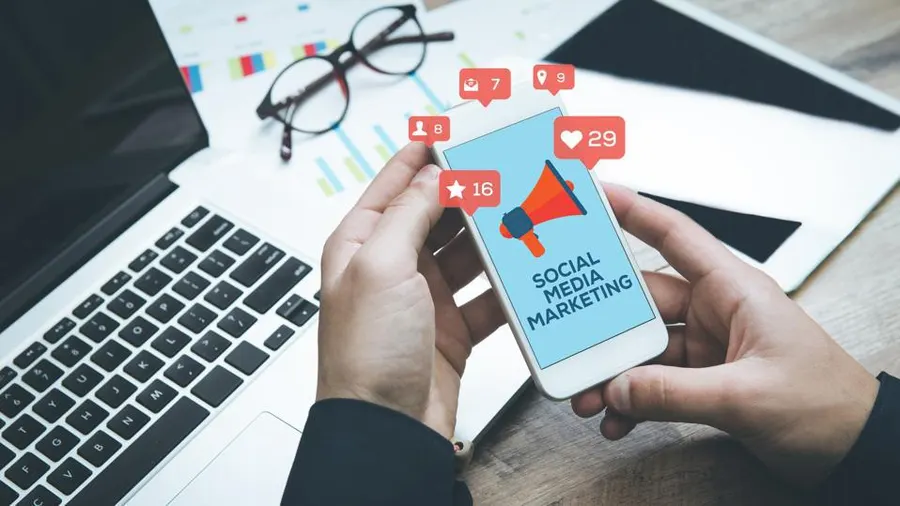
Social media marketing is the practice of using social platforms to build an audience, grow brand awareness, and drive business results, whether that means website traffic, direct sales, leads, or customer loyalty. It covers everything from organic posting and community management to paid advertising and influencer partnerships.
In 2026, the fundamentals have not changed much: show up consistently, create content that is genuinely useful or interesting to your audience, and give people a reason to pay attention. What has changed is the platform mix, the role of short-form video, and the growing importance of authenticity over polish. Audiences have developed sharp instincts for content that feels manufactured, and they scroll straight past it.
Why Social Media Marketing Matters More Than Ever
|
Statistic |
What It Means for Marketers |
|---|---|
|
5.24 billion social media users globally (2026) |
Virtually every adult demographic is reachable on at least one platform |
|
Average daily social media use: 2hr 27min |
You have multiple windows each day to reach your audience |
|
68% of consumers follow brands on social media |
People actively want to hear from businesses they like |
|
Short-form video gets 3x more engagement than static posts |
Video-first strategies are no longer optional for high engagement |
|
73% of B2B marketers say social media drives revenue |
Social is not just for B2C; LinkedIn and YouTube matter for business buyers |
Platform Breakdown: Where Should You Be?
The biggest mistake in social media marketing is trying to be everywhere at once. Pick the platforms where your actual customers spend time, and do those well.
|
Platform |
Best For |
Content Type |
Primary Audience |
|---|---|---|---|
|
|
Visual brands, lifestyle, retail |
Reels, Stories, carousels |
18-44 year olds; strong female skew |
|
TikTok |
Rapid audience growth, entertainment |
Short-form video (15s-3min) |
13-34 year olds; entertainment-first |
|
YouTube |
Education, reviews, long-form authority |
Long video, Shorts |
All ages; strong search intent |
|
|
B2B, professional services, recruiting |
Articles, video, thought leadership |
Professionals aged 25-55 |
|
|
Community building, local businesses |
Groups, events, video |
25-65 year olds; broad reach |
|
X (Twitter) |
News, real-time commentary, tech |
Text, threads, spaces |
Professionals, journalists, tech audience |
|
|
Home, fashion, food, DIY inspiration |
Images, idea pins, video pins |
Predominantly female; high purchase intent |
5 Strategies That Actually Drive Results in 2026
1. Build a content series, not one-off posts. Algorithms increasingly reward accounts that keep people coming back. A recurring series (weekly tips, monthly deep dives, a themed challenge) trains your audience to expect and look for your content. It also makes planning much easier.
2. Go deep on one platform before expanding. Spreading yourself across six platforms is a recipe for mediocre content everywhere. Pick the one where your audience is most concentrated, master it, then expand. Consistent depth beats inconsistent breadth every time.
3. Respond to every comment in the first hour. Early engagement signals tell platform algorithms that your content is worth promoting. Replying to comments quickly boosts distribution and builds a community feel that passive follower counts never create.
4. Use social proof strategically. User-generated content, customer testimonials, and reposts of real people using your product outperform polished brand content in almost every test. Ask your customers to share their experiences and feature that content prominently.
5. Test before you scale. Post the same message in three different formats (video, carousel, single image) and let the data tell you what to double down on. Scaling without testing is expensive. Small tests before big budgets is the discipline that separates smart marketers from busy ones.
Organic vs. Paid Social: A Clear Comparison
|
Factor |
Organic Social |
Paid Social |
|---|---|---|
|
Cost |
Time investment only |
Budget required; scales with spend |
|
Reach |
Limited to followers + algorithm boost |
Highly targeted; can reach any audience |
|
Speed |
Slow to build |
Immediate visibility |
|
Trust |
Higher (feels more authentic) |
Lower (audiences know it is an ad) |
|
Longevity |
Content can keep performing for months |
Stops when budget runs out |
|
Best use case |
Community building and brand voice |
Product launches, promotions, lead generation |
|
ROI measurement |
Harder to attribute directly |
Clearer; trackable conversion events |
The most effective approach combines both: use organic content to build trust and community, and paid advertising to amplify what already works.
Essential Tools for Social Media Marketing
- Buffer or Hootsuite: Schedule posts across multiple platforms from one dashboard
- Canva: Create professional graphics and short videos without a designer
- Later: Instagram and TikTok scheduling with a visual content calendar
- Sprout Social: Advanced analytics and team collaboration for larger marketing teams
- CapCut: Fast, free video editing optimised for short-form social content
- Notion or Trello: Plan and manage your content calendar and campaign briefs
Common Mistakes That Kill Social Media Growth
- Posting inconsistently and going silent for weeks at a time
- Treating every platform the same and cross-posting identical content
- Focusing on follower count instead of engagement quality and conversion
- Deleting or ignoring negative comments instead of addressing them professionally
- Starting with paid ads before the organic content and page look credible
Final Thought
Social media marketing works when it is built around genuine value. The accounts and brands that grow consistently are the ones that have a clear point of view, create content their specific audience actually wants, and show up regularly enough to build familiarity.
You do not need to be everywhere, have the biggest budget, or post five times a day. You need to know who you are talking to, say something worth hearing, and be patient enough to let the compounding effect of consistent content do its work over months, not just days.